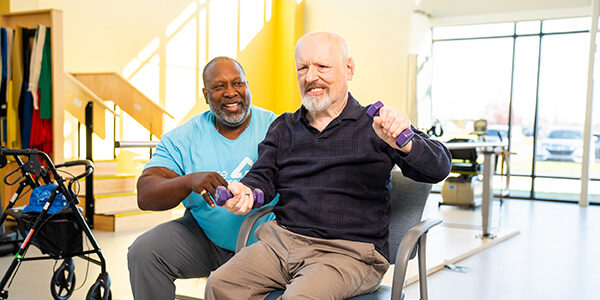
Chronic pain can feel like an unwelcome companion, affecting everything from sleep and relationships to household tasks and favorite hobbies.
Barbara Rounds, a licensed occupational therapist with more than 40 years of experience, understands these challenges firsthand. After a traumatic hip injury in 2019 and two surgeries, she developed chronic pain that continues today.
She says the medical community defines chronic pain as pain that lasts longer than three months or continues well beyond a typical healing time. Unlike acute pain, chronic pain may stem from an underlying condition, lingering injury-related damage or a hypersensitive nervous system that has become “stuck in a pain loop.”
The pain can be constant or come and go, and for most many people, it never fully goes away. Managing it often becomes less about eliminating pain completely and more about learning strategies that make daily life easier.
Beyond her personal experience, Rounds sees that reality reflected every day in her work with older adults at Care Resources PACE. Many are managing multiple health conditions that can contribute to ongoing pain, such as osteoarthritis, fibromyalgia and diabetic neuropathy. One of the first messages she shares with participants is that they are not alone.
“The condition is far more common than people realize,” she says. According to the CDC, roughly 1 in 4 adults live with chronic pain and the prevalence rises as we age.
To manage the pain, Rounds advocates for a holistic-team approach. That may include working closely with a physician to identify appropriate medications, participating in physical or occupational therapy, engaging in recreational therapy, meeting with a dietician, utilizing home care services, seeking emotional support and more.
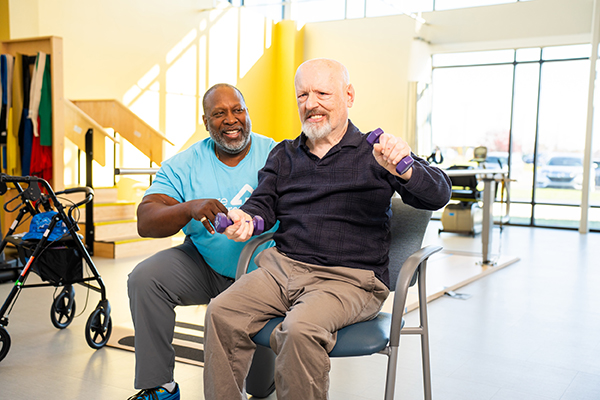
As for her role on that holistic care team, Rounds uses occupational therapy to help participants improve mobility and strength, and remain as independent as possible with daily living activities. This may involve gentle exercise, altering how activities are performed or using practical tools, such as a sock aid, reacher or back cushion, to reduce unnecessary strain.
In addition, Rounds says understanding the “pain loop” is just as essential. She provides education on that as well activity pacing, posture and body mechanics.
While health care professionals can provide guidance, education and support, Rounds emphasizes that those experiencing chronic pain play a key role in their own success. That means keeping up with medical advice, performing recommended exercises, using practical tools, pacing themselves and speaking up when additional help is needed.
For caregivers and family members, Rounds says education and compassion are key. Along with physical discomfort, people with chronic pain may also experience depression, anxiety and low energy. She encourages caregivers to be patient, offer assistance as needed and support opportunities for loved ones to stay engaged in activities they enjoy.
Above all, Rounds wants anyone experiencing chronic pain to know that “although it can be frustrating, you can continue to live a meaningful and enjoyable life with the right strategies and support.”
For more information, call 800.610.6299 or visit CareResources.org.