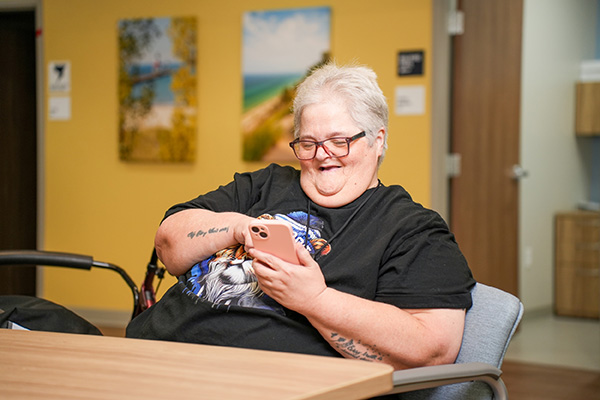
When a simple friend request on social media or urgent-looking text message comes through, it can feel harmless to click “accept” or respond right away, but one quick interaction can open the door to fraud, identity theft and financial loss.
According to the FBI, scammers frequently use social media, email and text messages to target older adults, in particular. In 2024 alone, the FBI’s Internet Crime Complaint Center reported adults age 60 and older collectively lost nearly $5 billion to internet fraud.
Jim VanBemmelen, director of information technology operations for Trillium Living, a nonprofit parent organization supporting Care Resources PACE and other senior-focused organizations, said the “digital divide” is partially to blame.
“Because the digital landscape has evolved so rapidly over their lifetime, older adults may be less in-the-know about technology-driven threats,” VanBemmelen said. “Older adults may also be more susceptible if they are isolated and lonely, which scammers try to exploit.”
It becomes especially difficult for older adults when scammers impersonate trusted organizations such as utility companies and banks, as well as age-appropriate services like Social Security, Medicare and Medicaid. Those messages may appear legitimate at first, but VanBemmelen said there are often subtle red flags.
“With a closer look, you’ll notice some information will be slightly off,” he said. “For example, the email address and name won’t match. Another red flag is if the message has a sense of urgency for you to take action.”
That pressure to act quickly is intentional. VanBemmelen said scammers rely on fear and trust to get people to click links, share personal information or send money before verifying whether a request is real.
A good rule of thumb, he said, is to never click links or call phone numbers included in suspicious messages. Instead, go directly to the official website of the company they claim to be and find contact information there to verify the request.
Beyond potential fraud concerns, building digital literacy skills and privacy awareness is increasingly important for all ages. VanBemmelen stresses that sharing vacation plans, daily routines, addresses or phone numbers online can create real-world safety risks. Even seemingly innocent posts can reveal when someone is away from home or living alone.
To reduce risk, VanBemmelen recommends setting social media profiles to private, reviewing privacy settings regularly and disabling location services on apps whenever possible. VanBemmelen said it’s best to use long phrases for strong passwords and avoid reusing the same password across multiple accounts.
“If multi-factor authentication is an option, set it up,” he said. “It instantly improves your security.”
He also encourages everyone to think carefully about what they share online.
“Err on the side of caution and consider anything you put on an app or online is out there forever,” he said. “Even private accounts can be intercepted. Unfortunately, data breaches happen all the time.”
Family members and caregivers can play an important role in online safety for the older adults in their lives. VanBemmelen recommends having open conversations about scams, reviewing accounts together and reassuring older loved ones that it is OK to pause and investigate before responding to suspicious calls or messages.
Care Resources PACE helps older adults stay healthy, safe and connected while living independently in their own home. For more information about the nonprofit’s services and eligibility, call 800.610.6299 or visit CareResources.org.