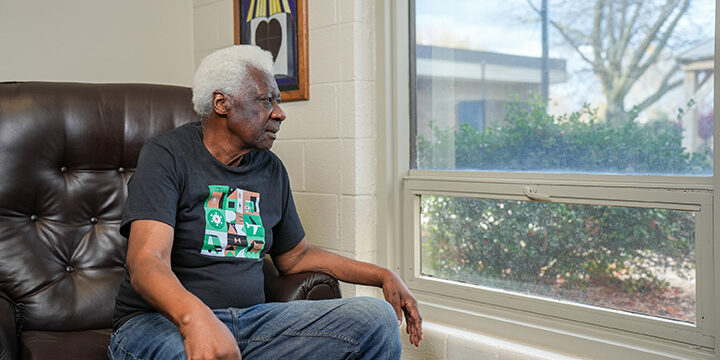
The signs can be subtle at first: a missed meal, an overflowing laundry bin, a growing reluctance to leave home. For many older adults, mental health challenges don’t always announce themselves loudly, but the impact can be profound.
Denise Walton and Paula Lett, both social workers at Care Resources PACE, say emotional well-being is often shaped by a combination of life changes and circumstances.
“Depression and anxiety can take root when there is financial stress, the loss of a loved one or the loss of independence,” Lett said. “As we get older, there can even be this loss of a youthful feeling with increasing physical health challenges. It really can be a daily struggle.”
Seasonal changes can also influence mental health. Lett said the darker, colder months in Michigan can bring on more feelings of sadness. Walton added that loneliness often intensifies around holidays, particularly for those without strong support systems.
“Many older adults were taught to just ‘push through’ instead of talking about how they feel,” Lett said, but not talking about it can carry serious consequences.
“They say stress kills,” Walton warned. “That’s because mental health affects your physical health and how you view the world around you. It can affect how you deal with family and friends and how you interact in society with other people. That’s why mental health has to come first.”
Both social workers emphasized that small, intentional steps can make a meaningful difference. An important first step, Walton said, is simply finding someone to talk to.
“If it’s not a family member or friend, talk to a service provider or a pastor – just find someone you feel safe with,” Walton said. “A lot of doctor offices even have social workers in them now who can help.”
Prioritizing physical activity is another great place to start. Lett recommends simple, accessible movement like daily walking, light strength training or tai chi to boost mood and mobility.
Staying socially connected is equally critical. Lett encourages older adults to seek out opportunities in the community, whether through local libraries, faith groups or day programs for shared meals and activities.
“During times of isolation, like we saw during COVID, people really struggled,” Lett said. “Getting out, even just for coffee or a lecture, can help you not feel so alone. If you qualify for PACE, take advantage of the day center recreational therapy activities and socialization opportunities.”
Walton added that seeking out moments of joy can make a difference, too.
“Laugh as much as you can,” Walton said. “Watch something funny and laugh out loud. Listen to music you love and dance!”
Lett also encourages solo activities that engage the senses and stimulate the brain in different ways, such as crossword puzzles, reading and coloring.
“It’s about keeping your body, mind and spirit engaged and finding a purpose that keeps you going,” Lett said. “Think about what matters to you, anything that gives you motivation to get out of bed, get moving and take care of yourself.”
For caregivers, neighbors and loved ones, awareness is essential. Changes in hygiene, eating habits or the condition of someone’s home can signal a deeper issue.
“Notice and step in,” Lett said. “If you’re concerned, reach out to a provider or community resource for help. If you don’t know where to start, call Michigan’s 2-1-1 helpline.”
Ultimately, both Walton and Lett stress that support is available and seeking it is a sign of strength, not weakness.
“There is help out there,” Lett said. “Just take that first step and reach out.”
For more information, call 800.610.6299 or visit CareResources.org.
Last updated 4.30.2026 I H5610_WEB