Sometimes, the first signs an older adult needs help are easy to overlook: an empty refrigerator, dirty laundry piling up or dishes left in the sink.
For families, recognizing these changes can be the first step toward helping a loved one maintain their health, dignity and independence.
Barb Scothorn, a registered nurse and home care manager at Care Resources PACE, says home and personal care services can provide that support while helping older adults continue living safely at home.
The goal is not to take over, but to provide just enough help so older adults can remain independent.
“Our goal is always to have the older adult do as much as they can for themselves,” she said. “Our aides are just there to assist with specific tasks that support health and safety in the home and improve quality of life.”
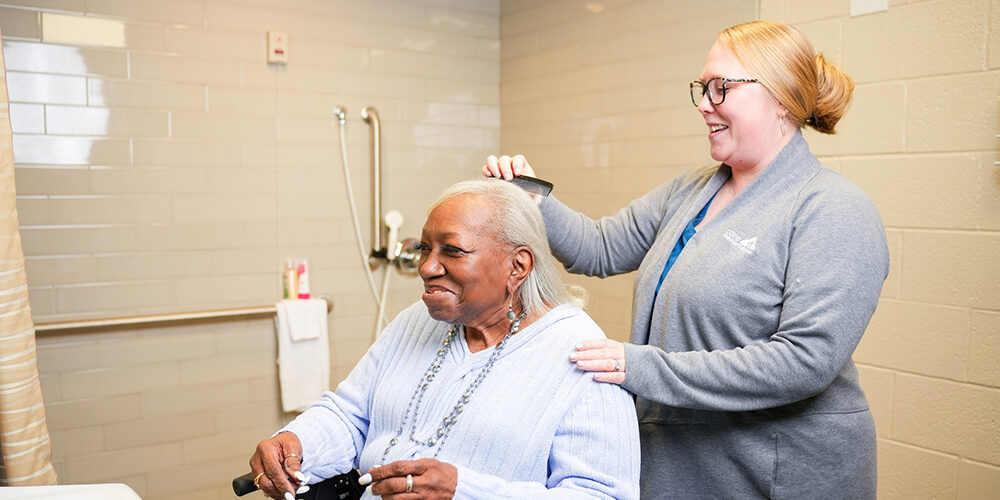
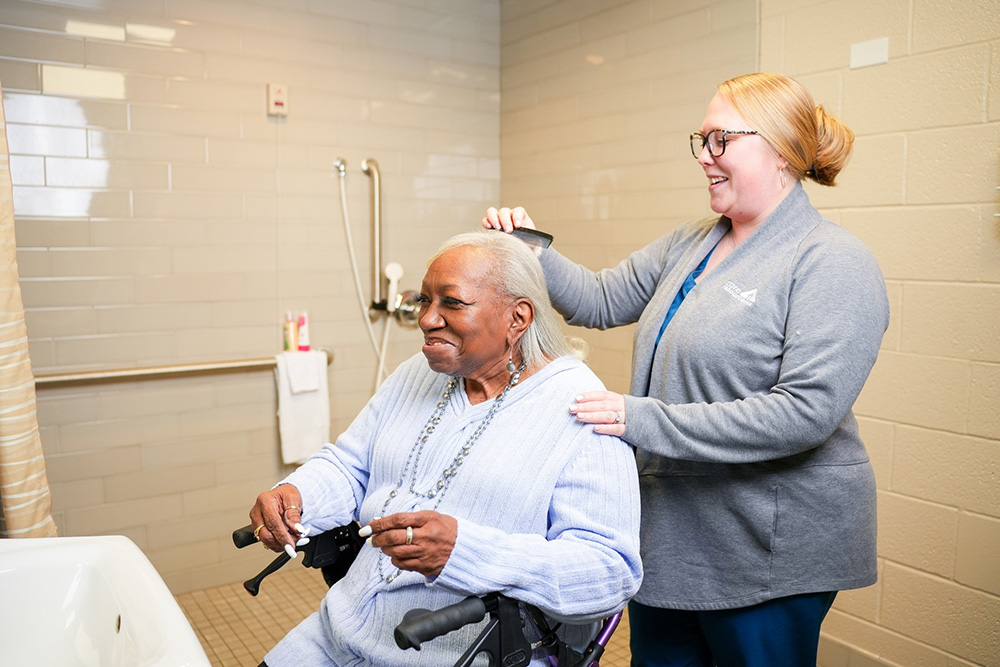
What that looks like and the frequency and duration of visits varies based on individual needs and preferences. Personal care may involve help getting into and out of the shower, getting dressed or shaving and styling hair. Home care may involve meal preparation, light housekeeping and grocery shopping.
While these may seem like simple, everyday tasks, they all contribute to overall health. For example, Scothorn noted how meal preparation can make nutritious food more accessible to support a healthy diet, while clearing clutter and keeping floors clean can help reduce the risk of falls.
Aides also provide another important layer of support by noticing subtle changes in participants’ health or behavior that could be an indication of bigger problems.
“Home health aides are often the first to notice if something’s not right,” Scothorn said. “They are proactive about alerting the broader care team if a participant is experiencing increased pain, confusion or other symptoms.”
Supportive services can also ease the demands on family caregivers, giving them time to run errands, manage other responsibilities or simply enjoy time with their loved one without having to provide as much hands-on care.
Companionship and meaningful social interaction are added benefits. When their tasks are done, Scothorn said aides will often work on a puzzle or converse with the person they’re supporting. This alongside consistency in staffing helps build trust while supporting overall wellbeing.
Scothorn recognizes that the cost of home health services can be a barrier for some, but for older adults who qualify for PACE, they can be within financial reach.
Home health can be included in PACE participant’s personalized care plans, along with other services Care Resources offers, such as head-to-toe medical care, rides to medical appointments and community at Social Centers in Grand Rapids and Lowell. Qualifying participants pay no or minor deductibles or copays for all services.
Scothorn acknowledges that accepting help at home can feel uncomfortable, but with the right support, older adults can maintain their routines and continue living at home with dignity for as long as possible.
“Our aides are compassionate, trained caregivers who undergo background checks and will keep your privacy,” she emphasized. “They are just there to help improve quality of life and help you stay in your home for as long as possible – that’s truly all it is.”
For more information, visit CareResources.org or call 800.610.6299.
Last updated 11.6.2026 I H5610_WEB