
Aging is anything but one-size-fits-all, so care plans for older adults shouldn’t be either.
A plan that focuses only on medical diagnosis can miss other factors that impact a person’s well-being, including where they live, who supports them, what resources they have and, perhaps most importantly, what they want.
That broader perspective is central to PACE, a model of care that provides whole-person support to help older adults live independently at home. For Tom Muszynski, chief operating officer of Care Resources PACE, it starts with recognizing there is no “typical” older adult.
“I couldn’t tell you what a typical care plan looks like at Care Resources because it is so individualized,” Muszynski said. “No two people are the same, so we have to consider each person’s unique needs and situation.”
Whether someone lives in a downtown neighborhood surrounded by services or in a rural community where the closest house is miles away, those circumstances can influence how care is delivered. The same is true of family relationships, cognitive states and a person’s own goals and preferences.
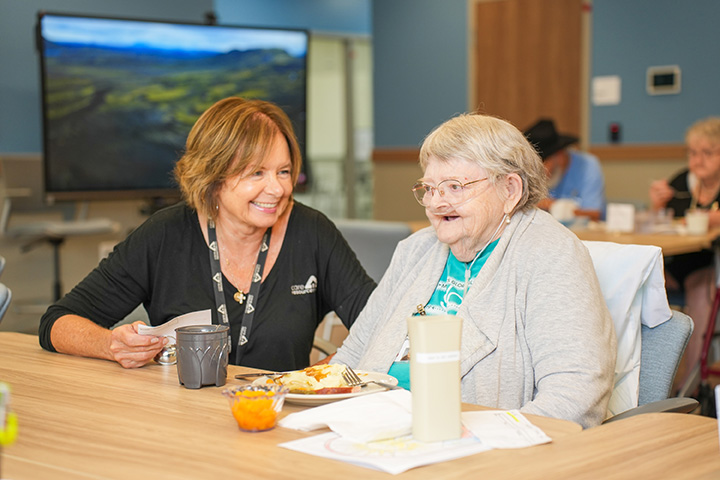
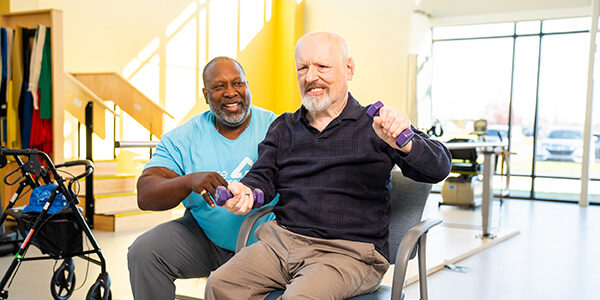
Care Resources brings together a team of professionals from different health disciplines to oversee participant care plans. The team includes doctors, nurses, social workers, home care aides, dietitians, physical therapists and more. They each bring unique perspectives and work closely to coordinate care as one, cohesive system.
For Muszynski, the value of having such coordinated care is personal. His experiences helping his own parents navigate medication costs and fragmented care reinforced for him the importance of having a team that can look at the whole picture.
Muszynski is equally passionate about ensuring older adults realize they have a say in their own care. He worries most people have become accustomed to accepting whatever tests, procedures or treatments are recommended in a medical setting without asking questions or realizing they have choices.
“We make it clear participants can request services be increased, decreased or discontinued at any time,” he said, adding that asking whether a person wants a particular treatment is only part of the conversation. Care teams also need to understand what the person is ultimately trying to achieve.
“We ask participants what they want to accomplish and how they want to live,” he said. “Is the goal to live as long as possible, or is it to prioritize independence and quality of life? Those questions do not get asked often enough outside of PACE.”
Muszynski added that the structure of PACE organizations, like Care Resources, helps make conversations about individual needs and goals actionable in real time.
“Because we are both the payer and the provider, we don’t have to seek extra approvals to get a participant a walker, order blood work or increase in-home personal care,” he said. “The care team can just make that happen because that’s what the participant needs and often much quicker than a traditional healthcare setting.”
As Care Resources approaches its 20th anniversary of serving older adults in West Michigan, that commitment to personalized, whole-person care remains paramount. Two decades of approaching care this way has proven its value.
“This model of care is so individualized that participants have quite literally said it is life changing,” Muszynski said. “I hope in the next 20 years, access to PACE can be expanded so more older adults can receive such exceptional care and support.”
To learn more, visit CareResources.org/doorway or call 800.610.6299.