
As fraudsters take advantage of increased online shopping, travel and the giving spirit that comes with each holiday season, this time of year calls for renewed vigilance against scams.
While it can happen to anyone, older adults are at greater risk for falling victim to fraud. With the advent of artificial intelligence and other tricky schemes, sophisticated scams targeting seniors are on the rise.
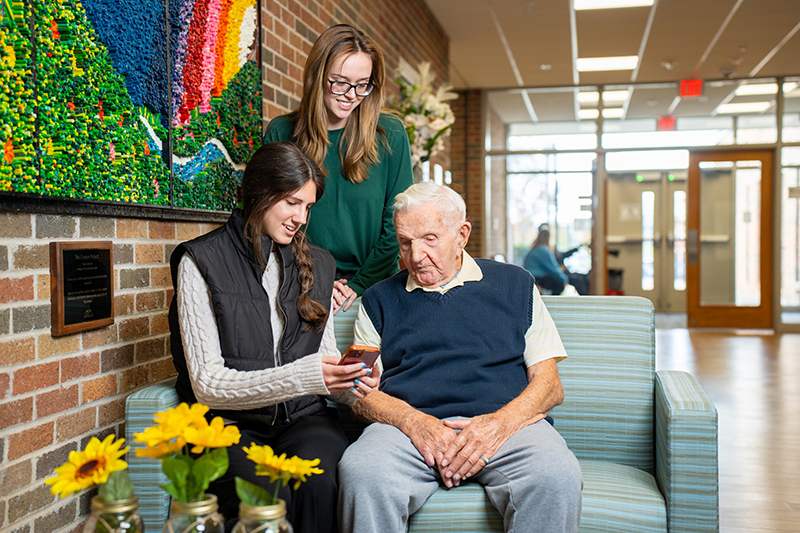
This growing problem concerns Kate Barry and Elise Conkel, social work interns at Care Resources PACE. Concerned about what’s at risk for older adults, the two recently took a deep dive into the subject to help participants at Care Resources learn how to spot red flags and protect themselves. From their research, it became clear the first line of defense is continual education.
“Technology is always changing and scams are getting more advanced, so it’s good to stay aware of what’s possible during the holiday season – and all year,” Barry said. “Recovering from a scam can be difficult, especially for those with limited resources. It’s disheartening to learn about scams targeting older adults who may already be struggling financially.”
To learn more about how you can avoid scams during the holidays, read the full article on Lowell’s First Look.