For older adults, the best New Year’s resolution may be to make regular health checkups a priority.
That’s because health risks increase after age 55, but with early detection and preventive health strategies, these risks can be managed. Laura Hall, a nurse practitioner and director of clinical services at Care Resources PACE, says a healthy lifestyle and consistent medical checkups are key for older adults, but one annual physical isn’t enough.
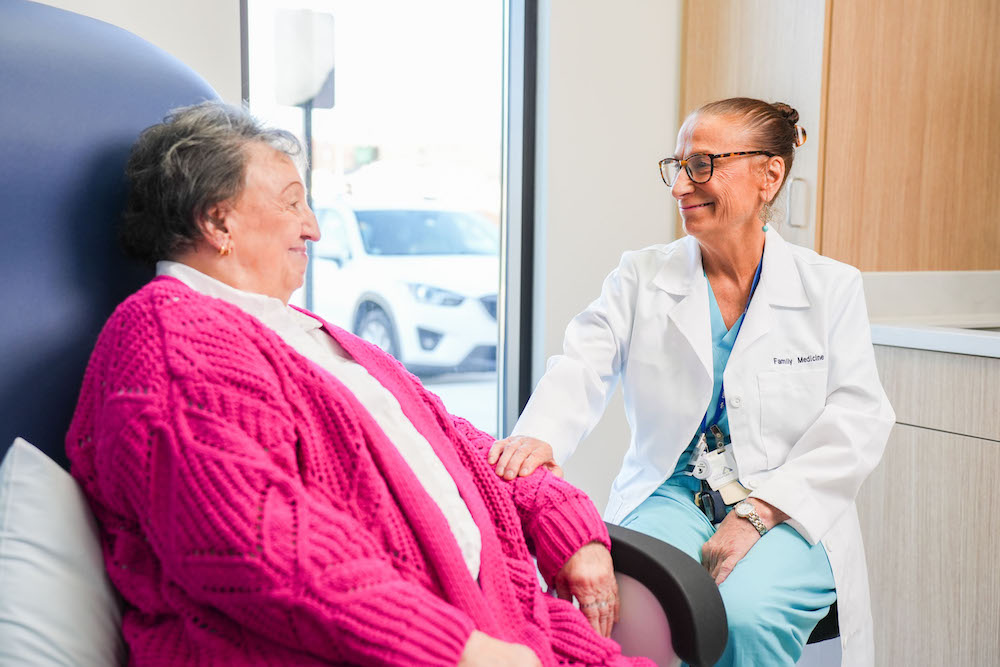
“In our primary care office at Care Resources, we see participants, who are 55 years or older, at least twice a year for physicals and assessments and often many times in between for acute concerns, such as cold or flu symptoms,” Hall shared. “If we make a medication change, or if they need to see a specialist, we will also follow up more regularly.”
Those checkups include screenings for various diseases as well as ongoing treatments for preexisting conditions. Screenings and assessments for high blood pressure, diabetes, cancer, cognitive function, depression and anxiety are common for older adults due to their increased risk. The goal is early detection and prevention of further issues.
“Catching things early is so important,” Hall said. “In addition to screening for new issues, preventative health can also include treating those chronic diseases to prevent worse problems from happening in the future.
“Two big ones of concern are diabetes and high blood pressure because they can affect all other parts of your life. If they are not in good control right away, there are other risks and illnesses.”
Vaccinations are also recommended as part of preventative health to help boost immunity, prevent complications and reduce hospitalizations. More vaccines are recommended for older adults as their immune systems weaken with age.
“As it gets older, the body is under more stress and more likely to get an infection,” Hall said. “Older adults are more vulnerable to severe illness from common infections such as flu, pneumonia, RSV and shingles. Preventing that with a vaccine is critical.”
Beyond regular checkups and screenings, Hall says staying active, maintaining a healthy diet and socializing with others all contribute to long-term wellness and independence.
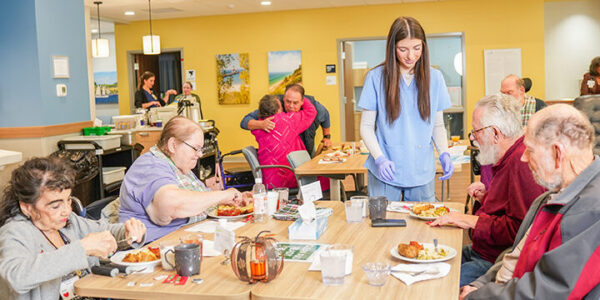
“Care Resources is a great place for that,” Hall said. “We do a little bit of everything when participants are here. They can enjoy a healthy meal and socialize with other adults at the day center, then go see the doctor on-site for any health concerns. They can also talk to a social worker, go to physical therapy and access a number of other great resources all in one place.”
The nonprofit’s locations in Grand Rapids and Lowell each have a full health clinic, pharmacy, rehab gym and activity rooms, in addition to providing after-hours medical services and technology to keep seniors safe at home and out of the ER.
“I like to compare our clinic to an urgent care because we can see people right away, but we get to know our participants so well,” Hall said. “By seeing patients as regularly as we do, we help them avoid needing to see other specialists or having surgery because we catch things sooner.”
Avoiding costly emergency care is another benefit of preventive health. Most major health insurance plans must cover essential preventive services, which reduce the need for more expensive treatments down the road.
“For PACE participants, everything is covered if their provider recommends it,” Hall said. “If we order it, it’s approved. That includes meds, testing, labs and regular screening. There is no extra rigamarole of Medicare and Medicaid to muddle through – and no copay.”
For more information, call 800.610.6299 or visit CareResources.org.