Managing multiple medications can feel like a daily puzzle, especially as prescriptions change or increase over time. But with the right systems in place, older adults and their loved ones can reduce safety risks and stay on track.
Aaron Hoholik, director of pharmacy services at Care Resources PACE, has spent nearly two decades helping older adults safely manage medications. His work focuses on reviewing medication regimens, coordinating with specialists and ensuring prescriptions are delivered and taken correctly.
Proper management of medications is of critical importance because misuse can have dire health and safety effects. In fact, it is a leading cause of death. The best way to avoid medication errors, Hoholik says, is to know what you’re taking, how to take it correctly and when to discard it.
“Nonadherence, or not taking medications as prescribed, is one of the biggest risks,” he says. “People may unintentionally take too much or too little, which can lead to uncontrolled blood pressure, blood sugar, drowsiness or confusion.”
To stay organized, Hoholik recommends a few practical strategies:
- Keep an up-to-date medication list and share it with every provider, especially when seeing multiple specialists, to prevent dangerous medication interactions from occurring.
- Establish a routine that works best for you. Medications can often be taken at any time of day, as long as it is consistent.
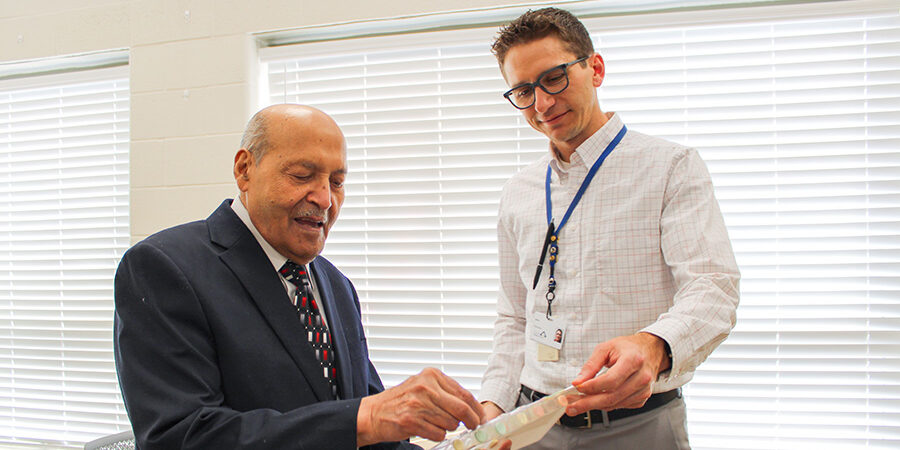
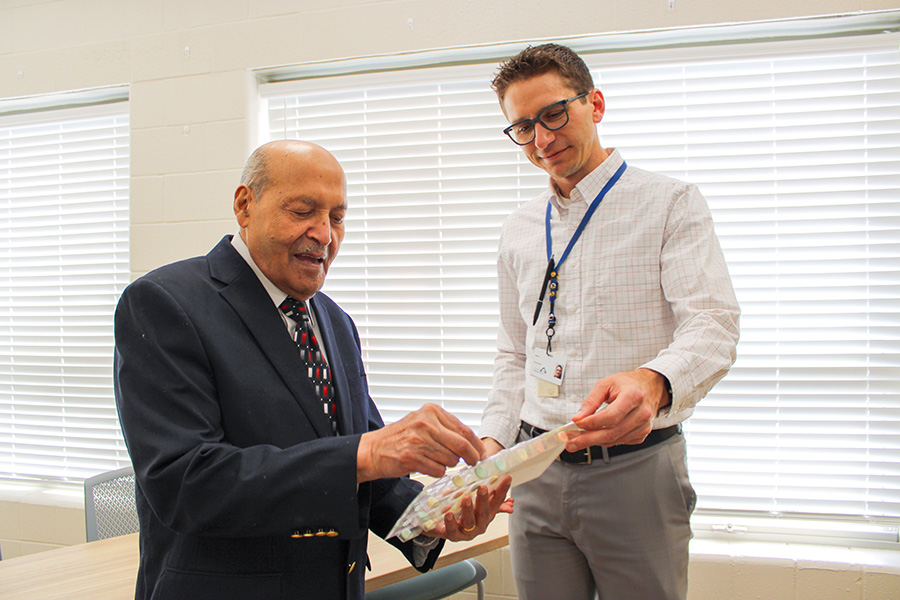
- Use tools that simplify the process. Pill organizers, prepackaged medication packs, dispensing devices and alarms can make a big difference.
- Monitor refills closely. Automatic refills can lead to unused medications piling up, while missed refills can interrupt treatment.
For those who feel overwhelmed by multiple bottles, Hoholik says special “adherence” packaging can simplify things. It is offered by many pharmacies and can help sort doses of different medications by day and time. Medication-dispensing devices and reminder systems are also widely available and can be a worthwhile, one-time investment.
Safe disposal is another key step that is often overlooked. Expired or unused medications should never be flushed down toilets. Instead, Hoholik recommends using designated disposal bins at retail pharmacies, which are free and anonymous.
Beyond how to safely take or discard of medication, Hoholik acknowledges that the cost of medication is another common concern.
“In the U.S., medications are either very affordable or very not affordable,” Hoholik says. “High copays can lead some people to skip doses or avoid filling prescriptions altogether.”
That’s why he’s grateful PACE programs exist. For those who qualify, all medications approved by their doctor are provided with no copay. For community members not in PACE, he encourages individuals to talk with their providers about lower-cost alternatives or whether lifestyle changes could be a safe and effective option.
Equally important, Hoholik says, is understanding that more medication is not always better.
“Sometimes more treatment is just that, more treatment,” he explained. “Clear communication with your doctors can help ensure each medication has a purpose and fits into an overall care plan.”
Ultimately, Hoholik said medication management is not just about safety, but about aligning care with personal goals.
“No medication is mandatory,” he said. “But there are different consequences for how you choose to manage a health condition, and what you’re OK with is up to you. It’s about understanding the options and deciding how you want to live.”
For participants enrolled in Care Resources, additional safeguards are in place that ensure medications align with personal goals and are easy to access and manage. All medications and over-the-counter products approved by a participant’s doctor are provided with no copay and can be delivered directly to their home, often the same day. Additionally, the pharmacists conduct regular medication reviews and coordinate closely with home care staff to help monitor supplies between visits.
For more information, call 800.610.6299 or visit CareResources.org.
Last updated 4.2.2026 I H5610_WEB